Wow, I was so waiting to hear some mangled syntax from stupid Sarah regarding Egypt in which she acts condescending and anti-freedom. And she did not disappoint
Monday, February 07, 2011

Did Obama misquote Isaiah 40:31?
Did Obama misquote Isaiah 40:31?
Short answer: No
What the president did at a recent prayer breakfast was provide an incomplete translation of Isaiah 40:31 based in part on the NIV version.
Based on what I see here Obama seems to have omitted the clause about renewed strength, and to have inadvertently combined two different translations. "Those that wait upon/for/on the Lord" appears in many versions, but not in any that have the ending phrases as Obama recalled them.
Small beer right? He got the substance correct and translations are not infallible. So why are the malignment artists at FOX telling everyone that the president botched a bible verse?
Oh right. Because they are malignment artists. Caveat emptor
Short answer: No
 |
| FOX proves how Christian they are via lies |
Here's what the verse says: וְקוֹיֵ יְהוָה יַחֲלִיפוּ כֹחַ, יַעֲלוּ אֵבֶר כַּנְּשָׁרִים; יָרוּצוּ וְלֹא יִיגָעוּ, יֵלְכוּ וְלֹא יִיעָפוּ
Here's how Obama recited it: Those who wait on the Lord will soar on wings like eagles, and they will run and not be weary, and they will walk and not faint
Here's how the NIV has it: ...but those who hope in the LORD will renew their strength.
They will soar on wings like eagles; they will run and not grow weary, they will walk and not be faint
They will soar on wings like eagles; they will run and not grow weary, they will walk and not be faint
Based on what I see here Obama seems to have omitted the clause about renewed strength, and to have inadvertently combined two different translations. "Those that wait upon/for/on the Lord" appears in many versions, but not in any that have the ending phrases as Obama recalled them.
Small beer right? He got the substance correct and translations are not infallible. So why are the malignment artists at FOX telling everyone that the president botched a bible verse?
Oh right. Because they are malignment artists. Caveat emptor
I write to AOL

I was astounded to learn that your company still exists when I read this morning that you have purchased HuffPost and put Ariana in charge of all of your editorial content. The Twitter machine says you are paying more than $300 million.
With all due respect, you could have had DovBear for a whole lot less.
That is all,
DB
PS: You still owe me for the big dent you put in my stock portfolio ten years ago. And let's not even discuss how you usurious persons born of unmarried parents once charged us $5/hr just to go online and chat with people.
PPS. You must be kicking yourself about FaceBook, eh? That whole "closed garden" thing they have going was your shtick at the beginning. Social Network could have been your story.
PPPS Regards to Steve Case
PPPS Regards to Steve Case
Benjamin cries for Shilo, and I make a point about midrashim
Note: The post has been modified to take into account some excellent points made in the comments. To eliminate confusion some comments have been deleted.
When Joseph and his brothers are reunited, Genesis tells us that Benjamin and Joseph cried on one another's necks. On the spot, Rashi says they were crying because of something that would occur in the future: Joseph for the two destroyed Temples that stood in Benjamin's territory, and Benjamin for the shrine in Shilo that stood in the territory of Joseph's son Ephraim. For his source, Rashi cites the Talmud, which in turn is likely based on older material.
Elsewhere on the Internet some regard this as a historical event and wonder why Benjamin would cry for Shilo. After all, the plan had always been to replace Shiloh at some point with something permanent. So why cry?
Though the question is also asked by some achronim, I think it is a misguided line of inquiry. Midrashim such as this aren't history. They are interpretations. More than two-thousands years ago, someone noticed that only Benjamin and Joseph were said to cry on each others necks. When Joseph greets his other brothers, the verse tells us only that he cried. Necks are not mentioned. To an ancient interpreter operating under the (possibly correct) assumption that the Torah is cryptic and that every word signifies some special meaning the inconsistent mention of necks cried out for interpretation. And because the Song of Songs also speaks of necks in a way that had already suggested to some other interpreter that the usage was intended as an allegory for the Temple the seemingly unnecessary mention of the word necks in Genesis was interpreted in the same way.
I don't believe this interpreter was trying to tell us a historical fact, nor do I think any muser message was intended. I think he was simply trying to provide some justification for what he took as an anomaly. Therefore follow-up questions such as the one mentioned above miss the point, and commit what is rightly called a genre error. Benjamin shed tears when he saw his brother, but he never really cried for Shilo. The assertion that he did is not history, nor was it intended to be presented as history. It is simply an invention of an ancient interpreter who was puzzled by the mention of the word necks. Asking questions on his invention, as if it was a fact of history, and not a solution to a perceived anomaly, is nothing so much as building sand castles on clouds.
Two Others Lines of Naked Speculation
FIRST
-- When was the interpretation of Benjamin's crying first publicized? I don't know and haven't been able to trace it. But if its very old, perhaps it predates the idea that Shiloh was intended to be temporary, an idea that itself is likely an interpretation (I say likely because I haven't yet taken the time to trace the history of that idea either. As I say, this is all naked speculations).
But bear with me: Let's say that when Shiloh was first built people presumed it was "the place that God had chosen" and that no future move was needed. Perhaps the idea that Shiloh was, from day 1, intended to be temporary was invented as a theological explanation for the contingent facts of history only after Shiloh was destroyed, and after David chose a new place. The people might have said, "How can David do this if Shiloh was the place God chose?" To which the reply might have been "Shilo was only a temporary place. David has selected the real place. "
If so (and I am still speculating here) perhaps the interpreter who said "Benjamin was crying for Shilo" came before the interpreter who said "Shilo was from Day 1 a temporary structure". If so (still with me?) the question discussed above is a dead end.
With the help of God I shall research this and report back.
SECOND
--Often an interpreter has another biblical event in mind when he explains the passage in front of him. On a hunch, I Googled "Benjamin cry Shiloh" and came up with Samuel 4:13ff:
Search for more information about torah at 4torah.com.
When Joseph and his brothers are reunited, Genesis tells us that Benjamin and Joseph cried on one another's necks. On the spot, Rashi says they were crying because of something that would occur in the future: Joseph for the two destroyed Temples that stood in Benjamin's territory, and Benjamin for the shrine in Shilo that stood in the territory of Joseph's son Ephraim. For his source, Rashi cites the Talmud, which in turn is likely based on older material.
Elsewhere on the Internet some regard this as a historical event and wonder why Benjamin would cry for Shilo. After all, the plan had always been to replace Shiloh at some point with something permanent. So why cry?
Though the question is also asked by some achronim, I think it is a misguided line of inquiry. Midrashim such as this aren't history. They are interpretations. More than two-thousands years ago, someone noticed that only Benjamin and Joseph were said to cry on each others necks. When Joseph greets his other brothers, the verse tells us only that he cried. Necks are not mentioned. To an ancient interpreter operating under the (possibly correct) assumption that the Torah is cryptic and that every word signifies some special meaning the inconsistent mention of necks cried out for interpretation. And because the Song of Songs also speaks of necks in a way that had already suggested to some other interpreter that the usage was intended as an allegory for the Temple the seemingly unnecessary mention of the word necks in Genesis was interpreted in the same way.
I don't believe this interpreter was trying to tell us a historical fact, nor do I think any muser message was intended. I think he was simply trying to provide some justification for what he took as an anomaly. Therefore follow-up questions such as the one mentioned above miss the point, and commit what is rightly called a genre error. Benjamin shed tears when he saw his brother, but he never really cried for Shilo. The assertion that he did is not history, nor was it intended to be presented as history. It is simply an invention of an ancient interpreter who was puzzled by the mention of the word necks. Asking questions on his invention, as if it was a fact of history, and not a solution to a perceived anomaly, is nothing so much as building sand castles on clouds.
Two Others Lines of Naked Speculation
FIRST
-- When was the interpretation of Benjamin's crying first publicized? I don't know and haven't been able to trace it. But if its very old, perhaps it predates the idea that Shiloh was intended to be temporary, an idea that itself is likely an interpretation (I say likely because I haven't yet taken the time to trace the history of that idea either. As I say, this is all naked speculations).
But bear with me: Let's say that when Shiloh was first built people presumed it was "the place that God had chosen" and that no future move was needed. Perhaps the idea that Shiloh was, from day 1, intended to be temporary was invented as a theological explanation for the contingent facts of history only after Shiloh was destroyed, and after David chose a new place. The people might have said, "How can David do this if Shiloh was the place God chose?" To which the reply might have been "Shilo was only a temporary place. David has selected the real place. "
If so (and I am still speculating here) perhaps the interpreter who said "Benjamin was crying for Shilo" came before the interpreter who said "Shilo was from Day 1 a temporary structure". If so (still with me?) the question discussed above is a dead end.
With the help of God I shall research this and report back.
SECOND
--Often an interpreter has another biblical event in mind when he explains the passage in front of him. On a hunch, I Googled "Benjamin cry Shiloh" and came up with Samuel 4:13ff:
And there ran a man of Benjamin out of the army and came to Shiloh the same day with his clothes rent and with earth upon his head... And when the man came into the city and told it all the city cried outWas the interpreter thinking of this when he wrote about Benjamin crying for Shiloh? Perhaps. Points in its favor are the use of the words Benjamin and Shiloh. Points against include the word "cry" which here is not the same verb that is used in Genesis. Also, arguing against this suggestion is my failure to find a parallel verse about Joseph. I could not find any mention of a "man from Joseph," (or Ephraim, or Menashe) crying or being the cause of crying about Jerusalem. The closest I came was Jeremiah 31:6
There will be a day when watchmen cry out on the hills of Ephraim, 'Come, let us go up to Zion, to the LORD our God.'Here the verb is also wrong, and the crying is not connected to mourning or destruction. But perhaps the crying interpretation, as it was originally constructed, did not suggest tears of grief? If I am able to discover where the crying interpretation was first articulated, perhaps the language and context there will confirm or defeat this idea.
Search for more information about torah at 4torah.com.
Sunday, February 06, 2011
Yerušalaim or Yerušalem?
If you follow along during the haftarot, or study Nach, you've noticed that the word Yerusahalayim (Yerušalaim) is almost always misspelled in many of the prophetic books, where it frequently appears without a yud. Were it not for the nekudot, we'd pronounce that word Yerušalem (or Yerushalem) .
According to Professor Emanual Tov there is a simple explanation. During the time of the prophets the name of the city WAS pronounced Yerušalem -- the spelling in our books is accurate. But by the time of the Masorites the pronunciation had shifted to Yerushlayim. Unable to recognize that the city's name had changed, the Masorites vocalized the word as per the pronunciation they knew.
This is why the word is spelled one way, but pronounced another.
For more see page 43 here. The relevant bit from Tov's book is below:

Search for more information about Emanuel Tov at 4torah.com.
According to Professor Emanual Tov there is a simple explanation. During the time of the prophets the name of the city WAS pronounced Yerušalem -- the spelling in our books is accurate. But by the time of the Masorites the pronunciation had shifted to Yerushlayim. Unable to recognize that the city's name had changed, the Masorites vocalized the word as per the pronunciation they knew.
This is why the word is spelled one way, but pronounced another.
For more see page 43 here. The relevant bit from Tov's book is below:

Search for more information about Emanuel Tov at 4torah.com.
Friday, February 04, 2011
Now what does DovBear think about Egypt?
Thanks for asking. The official blog position on the ongoing turmoil in Egypt is as follows:
The masses of Egypt have an inalienable right to toss Mubarak. It is wrong to stop them. True, an Islamacist pharaoh might rise up to take his place, but were that to occur the masses can toss him, too.
As for the US president, I believe he is right to stand up for inalienable rights. Along with free speech and free worship, this includes consent of the governed.
Interestingly, neo-cons Republicans used to agree with all of this.
Search for more information about the crisis in Egypt at 4torah.com.
The masses of Egypt have an inalienable right to toss Mubarak. It is wrong to stop them. True, an Islamacist pharaoh might rise up to take his place, but were that to occur the masses can toss him, too.
As for the US president, I believe he is right to stand up for inalienable rights. Along with free speech and free worship, this includes consent of the governed.
Interestingly, neo-cons Republicans used to agree with all of this.
Search for more information about the crisis in Egypt at 4torah.com.
TDS supports and insults Jews all in the same feature.
| The Daily Show With Jon Stewart | Mon - Thurs 11p / 10c | |||
| Jewish Speaker of Texas State House | ||||
| ||||
Much as I appreciate Jon Oliver's latest attack on Jew-hating Texas Christians, I'm growing tired of his shtick about how Jews have lots of words that sound like a throat being cleared.
I also think the dour Rabbi made a mistake appearing on camera in his talis. (Not that agreeing to be interview by a Daily Show correspondent was such a smart move in the first place.)
Hat tip Chometz ben yayin.
Search for more information about TDX at 4torah.com.
Dear Jewish Week: Mendel Beilis was not not NOT supported by the pope.
Journalistic free association: Sarah Plain's grievance against the handful of media organs not yet owned by Rupert Murdoch who allegedly perpetrated a blood libel against her has inspired the Jewish Week to write about an actual blood libel, i.e, the Beilis case.
The result is an interesting article containing the surprising news that Mendel Beilis' daughter is still alive. But, what caught my eye, and raised my ire, is the throwaway claim that Belilis was "supported by the Pope."
In short, this is false. For a longer explanation, see the rest of the post after the jump.
The result is an interesting article containing the surprising news that Mendel Beilis' daughter is still alive. But, what caught my eye, and raised my ire, is the throwaway claim that Belilis was "supported by the Pope."
In short, this is false. For a longer explanation, see the rest of the post after the jump.
Thursday, February 03, 2011
O'Reilly's winning argument against evolution
Okay, wise guys, Bill O’Reilly heard the Internet snickering when he debuted his “Tide Goes In, Tide Goes Out” catchphrase last month, showing the world he doesn’t know how ocean tides happen. Alright, so you think the Moon is doing this. O’Reilly has a response: “How da Moon get dere?” AIRTIGHT ARGUMENT, SIR.
For anyone who believes that in a giant sprawling universe, there’s a pretty good chance intelligent life will randomly come together somewhere, please read the following lines of text:
How da Moon get dere?
How da Moon get dere?
How da Moon get dere?
How da Moon get dere?
How da Moon get dere?
How da Sun get dere?
How da Moon get dere?
How da Moon get dere?
How dit get dere?
How da Moon get dere?
How da Moon get dere?
How da Moon get dere?
How da Moon get dere?
How da Sun get dere?
How da Moon get dere?
How da Moon get dere?
How dit get dere?
See, now you believe in God. It was so desperate of you to think you were made of the things you see around you rather than --- magic. Because --- magic is the obvious cause of all things.
(As we all know, the Moon was put there by the NASA, who made a fake moon so we could land on it. It was all staged!) [Videogum]
Daniel Lapin hearts anti-Semites
Daniel Lapin, the for-profit preacher best known for his spirited defense of Mel Gibson, has a new anti Semite to support. In his new article, he explains why Glen Beck is a Great Friend of the Jews and Israel (TM), and cruelly denounces 500 rabbis who saw fit to criticize Beck for being a hate-mongering liar.
For those not following the story, what Beck did was simply despicable. Seeking to discredit Soros, a political rival, Beck called him a Nazi collaborator on the basis of fabrications, misquotes and out-of-context facts. Though Lapin's love of truth has been in doubt since his famous attempt to sell Jack Abramoff a degree in Talmud, I would still expect someone who wears a kippa to side with the Jew, and to appreciate the awfulness of Beck's naked, dishonest attempt to slander a foe.
Yes, exactly. When disgraceful liars damage the reputation of a good man, it is appropriate to publicly protest. This is exactly why the Rabbis publicly objected to Beck's lie about Soros
LAPIN: These rabbis attacked Glenn Beck not because he is an anti-Semite, but because he is a conservative. The attack was political; liberals tarnishing someone whose influence they hope to diminish.
And exactly why do you think Glen Beck attacked Soros? Wasn't that attack political? Lapin, are you really this lacking in self-awareness? Do you honestly expect us to accept that you and Beck operate from motives that are snow white, while everyone who disagrees with you is a lout and a scoundrel pursuing an immoral agenda?
Though this blinkered review of the facts is bad enough, Lapins goes further. Not content to defend Beck, and vilify a fellow Jew, he also seeks to de-legitimize the Rabbis who criticized Beck. They're not Orthodox, see; thus nothing they say can be trusted, their motives are suspect, and their positions are flawed. Lapin really is this cruel. And if you thought cruelty couldn't be topped with shamelessness consider this: Lapin the bogus OJ Rabbi, who mis-characterizes Torah for personal profit concludes his drive-by attack on other rabbis by shilling for his latest CD:
LAPIN: The decline from Adam to the generation of the Flood, which I delve into in my audio CD set, The Gathering Storm, on sale this week, sounds eerily current. I encourage you to listen to it, and make sure you learn how to distinguish between those with whom you wish to stand and those whose entreaties you should ignore.
Or to paraphrase, "All those other Rabbis are con men. If you want the real, unvarnished truth, along with the secret key for identifying unscrupulous rabbis like those liberals, BUY MY NEW CD SET"
Gross.
Search for more information about Lapin at 4torah.com.
LAPIN: When such people damage the reputation of a good man, it is appropriate to publicly protest.
Yes, exactly. When disgraceful liars damage the reputation of a good man, it is appropriate to publicly protest. This is exactly why the Rabbis publicly objected to Beck's lie about Soros
LAPIN: These rabbis attacked Glenn Beck not because he is an anti-Semite, but because he is a conservative. The attack was political; liberals tarnishing someone whose influence they hope to diminish.
And exactly why do you think Glen Beck attacked Soros? Wasn't that attack political? Lapin, are you really this lacking in self-awareness? Do you honestly expect us to accept that you and Beck operate from motives that are snow white, while everyone who disagrees with you is a lout and a scoundrel pursuing an immoral agenda?
Though this blinkered review of the facts is bad enough, Lapins goes further. Not content to defend Beck, and vilify a fellow Jew, he also seeks to de-legitimize the Rabbis who criticized Beck. They're not Orthodox, see; thus nothing they say can be trusted, their motives are suspect, and their positions are flawed. Lapin really is this cruel. And if you thought cruelty couldn't be topped with shamelessness consider this: Lapin the bogus OJ Rabbi, who mis-characterizes Torah for personal profit concludes his drive-by attack on other rabbis by shilling for his latest CD:
LAPIN: The decline from Adam to the generation of the Flood, which I delve into in my audio CD set, The Gathering Storm, on sale this week, sounds eerily current. I encourage you to listen to it, and make sure you learn how to distinguish between those with whom you wish to stand and those whose entreaties you should ignore.
Or to paraphrase, "All those other Rabbis are con men. If you want the real, unvarnished truth, along with the secret key for identifying unscrupulous rabbis like those liberals, BUY MY NEW CD SET"
Gross.
Search for more information about Lapin at 4torah.com.
What does Terumah tell us?
Terumah is one of a few parashot that moderns find mind-numbingly boring. The whole thing reads like a construction plan. What's the point?
Robert Alter speculates that such descriptions were exciting to an ancient audience, perhaps because they enjoyed hearing about the lavish accouterments. Martin Buber, on the other hand, has identified a network of parallels - magic number 7 in all - between the language and terms used to describe the building of the sanctuary, and the words used in Genesis for the creation of the world. I haven't thought it through yet, but present the associations he discovered (as cited by Nechama Leibowitz in Studies on Exodus, 479-81) after the jump for your review:
Robert Alter speculates that such descriptions were exciting to an ancient audience, perhaps because they enjoyed hearing about the lavish accouterments. Martin Buber, on the other hand, has identified a network of parallels - magic number 7 in all - between the language and terms used to describe the building of the sanctuary, and the words used in Genesis for the creation of the world. I haven't thought it through yet, but present the associations he discovered (as cited by Nechama Leibowitz in Studies on Exodus, 479-81) after the jump for your review:
Let's talk about Hasidic flimflam artists
 |
| Diagram via Josh Waxman |
It can be very difficult to tell the difference.
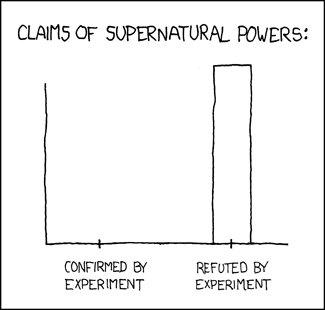
Take, for example, the "fishy rebbe" discussed yesterday. His flyer is very suspicious, as it invites everyone and anyone "to arrange a personal meeting with the Rebbe for personal advice regarding health, parnassa, and family issues." Because very little can really be accomplished in a short meeting between strangers, the sentence strongly suggests that some miraculous intervention is on offer. If the rebbe honestly believes he has the ability to bless people and through the occult use of certain word to change our lives for the better, perhaps his invitation stops short of fraud, but its still nonsense: No such powers exist. Sincerely believing you posses such powers might make the invitation to share them an honest invitation but they do not make the powers real.
Elsewhere some have attested to the Rebbe's abilities. Two people claim that he has ruach hakodesh or the ability to know things through means other than the human senses. Such claims have been made about many people, Jews and non-Jews alike, but the preponderance of the evidence argues strongly against the existence of such paranormal abilities. There are dozens of ways for a dishonest medium to fake clairvoyance, and even an honest closed medium who sincerely believes his own press can rely on his emotional intelligence to make it seem like he has a sixth sense.
I don't know what kind of medium the fishy rebbe is; based on the testimony I've heard I'm prepared to concede that he's a fine fellow with noble ambitions, and no desire to cheat or defraud his adherents. The evidence, however, tells me that the powers he is believed to posses do not exist, and that the claims that are made in his name are false. And though I can't fault the rebbe for the things his followers say, or for having confidence in his own abilities, those who visit the Rebbe expecting his spells to alter their lives are still victims, and still mistaken for putting their faith in magic.
Search for more information about flimflam at 4torah.com.
Wednesday, February 02, 2011
Natalie Gilbert's Web Redemption
About 8 years ago, Natalie Gilbert made Mo Cheeks famous, when she forgot the words to our national anthem giving Cheeks an opportunity to sweep in and look like a gentlemen.
If you haven't seen Gilbert's famous flubbing, and Cheek's gallantry, the video is here:
Now, Tosh of the eponymous YouTube clip show, has given an older, better looking Gilbert the chance to remind everyone of her moment of shame by inviting her to relive the horror at an Anheim Ducks game, in what Tosh calls a Web Redemption. How this humiliating performance alongside Tosh's idiocy and abuse "redeems" anything, I can't say, but Natalie Gilbert looks and sounds nice enough to go somewhere as a performer.
See it here:
Tosh, on the other hand, is basically a poor, stupid man's Bob Seget, and his show is a vile AFHV knockoff.
Search for more information about [topic] at 4torah.com.
If you haven't seen Gilbert's famous flubbing, and Cheek's gallantry, the video is here:
Now, Tosh of the eponymous YouTube clip show, has given an older, better looking Gilbert the chance to remind everyone of her moment of shame by inviting her to relive the horror at an Anheim Ducks game, in what Tosh calls a Web Redemption. How this humiliating performance alongside Tosh's idiocy and abuse "redeems" anything, I can't say, but Natalie Gilbert looks and sounds nice enough to go somewhere as a performer.
See it here:
Tosh, on the other hand, is basically a poor, stupid man's Bob Seget, and his show is a vile AFHV knockoff.
Search for more information about [topic] at 4torah.com.
A fishy looking flyer
After the jump is a flyer advertising a Hasidic Rabbi's visit to L.A. I don't know the Rabbi, or the organizers, but it looks fishy.
If you know someone who went to him for blessings or advice, I'd be interested to hear about the meeting. Was it useful? Was it expensive?
If you know someone who went to him for blessings or advice, I'd be interested to hear about the meeting. Was it useful? Was it expensive?
Well, at least he's not gay*
Yet another voice of strict Christian morality has been exposed as a fraud and a hypocrite. The latest phony to fall is Stephen Green, self-appointed guardian of England's morality. Turns out he's a wife beater, a child abuser, and a horrible husband and father. Here's the headline:
In public he rails against immorality as the voice of Christian Britain but in private he is a wife beater, says his former partner
Isn't that grand? What it is about charismatic Christian preachers? Why do so many of them turn out to be such skunks (and why do blogs like Cross Currents end up defending so many of them after their foibles have been revealed?) And, because this is a Jewish blog, let me ask the follow-up on everyone's mind: Are Jewish preachers fakes, too? (Certainly some of them are.) And is there some correlation between begin a charismatic preacher and being a screaming fraud? (Requires study; the evidence I have is all anecdotal)
*This is a tongue in cheek reference to the many professional Christian homophobes who turned out to be gay themselves.
Search for more information about YWN at 4torah.com.
In public he rails against immorality as the voice of Christian Britain but in private he is a wife beater, says his former partner
Isn't that grand? What it is about charismatic Christian preachers? Why do so many of them turn out to be such skunks (and why do blogs like Cross Currents end up defending so many of them after their foibles have been revealed?) And, because this is a Jewish blog, let me ask the follow-up on everyone's mind: Are Jewish preachers fakes, too? (Certainly some of them are.) And is there some correlation between begin a charismatic preacher and being a screaming fraud? (Requires study; the evidence I have is all anecdotal)
*This is a tongue in cheek reference to the many professional Christian homophobes who turned out to be gay themselves.
Search for more information about YWN at 4torah.com.
Tuesday, February 01, 2011
Dueling headlines about Egypt
Are the antiquities safe or are't they? Two different papers offer two different views:
Egypt’s Antiquities Chief Says Sites Are Secure
The vast majority of Egypt’s museums and archaeological sites are secure and have not been looted, Zahi Hawass, Egypt’s chief antiquities official, said in a telephone interview on Tuesday.
By KATE TAYLOR, New York Times
February 1, 2011
Antiquities imperiled amid Egypt protest
Egypt’s Antiquities Chief Says Sites Are Secure
The vast majority of Egypt’s museums and archaeological sites are secure and have not been looted, Zahi Hawass, Egypt’s chief antiquities official, said in a telephone interview on Tuesday.
By KATE TAYLOR, New York Times
February 1, 2011
Antiquities imperiled amid Egypt protest
Tumultuous protests sweeping the country carry hope of a new government. But as looters move to take advantage of the unrest, archaeologists warn that Egypt's treasure trove of antiquities is in peril.
By LAURA KING, Los Angeles Times
February 2, 2011
Taylor's article for the Times is far superior. It's based on an interview with Egypt's chief antiquities official, and disuccess actual facts on the ground.
King's article for the L.A paper is nothing but ordinary fear-mongering, belonging to the despicable genre of HEY HERE'S SOMETHING SCARY THE MIGHT HAPPEN ACCORDING TO RANDOM PEOPLE WE FOUND ON THE STREET.
Search for more information about Egypt at 4torah.com.
By LAURA KING, Los Angeles Times
February 2, 2011
Taylor's article for the Times is far superior. It's based on an interview with Egypt's chief antiquities official, and disuccess actual facts on the ground.
King's article for the L.A paper is nothing but ordinary fear-mongering, belonging to the despicable genre of HEY HERE'S SOMETHING SCARY THE MIGHT HAPPEN ACCORDING TO RANDOM PEOPLE WE FOUND ON THE STREET.
Search for more information about Egypt at 4torah.com.
Parsha Notes Mishpatim 5771
Boring, boring, boring. That's both a review of this snoozer of a parsha and a warning about the notes you're about to read. Caveat lector.
What every Jew should know:
According to Rashi, all Moshe wrote down in Exodus 24:1 was: Genesis until the Revelation, and the following laws: Shabas, honoring parents, the red cow, the civil laws, and the Seven Noachide laws [DB: What about gid hanasheh] This is despite the Torah claiming (ibid) that what he wrote down was "all the words of God" [=kol divrei]
Crux Alert
When a slave wishes to remain with his master after his term is up, the verses call for him to be taken to "the elohim. and make him approach the door or the doorpost..." Though the Rabbis read elohim as judges, the word most often means "gods"; indeed ANE scholars have discovered that it was once common for household idols to be kept at the doorpost; moreover, oaths or other declerations relating to the household would take place in front of them. For my money this is the most troubling crux in the whole Torah. Read more See also 22:4
External Parallels
In 21:10 we're told that a man who takes a second wife can't reduce the first wife's food, clothing or conjugal rights. Very nice, but not so ahead of its time as you might think: There are ANE documents which forbid a husband from diminishing a first wife's food, clothing and oils. (I haven't seen anyone who can convincingly construe the MT's 'onah as "oils")
Much of Mishpatim is frighteningly similar to older ANE law codes, including, but not limited to, the Laws of Hammurabi. At the very least, this strongly suggests that Mishpatim did not develop absent outside influences.
What every Jew should know:
According to Rashi, all Moshe wrote down in Exodus 24:1 was: Genesis until the Revelation, and the following laws: Shabas, honoring parents, the red cow, the civil laws, and the Seven Noachide laws [DB: What about gid hanasheh] This is despite the Torah claiming (ibid) that what he wrote down was "all the words of God" [=kol divrei]
Crux Alert
When a slave wishes to remain with his master after his term is up, the verses call for him to be taken to "the elohim. and make him approach the door or the doorpost..." Though the Rabbis read elohim as judges, the word most often means "gods"; indeed ANE scholars have discovered that it was once common for household idols to be kept at the doorpost; moreover, oaths or other declerations relating to the household would take place in front of them. For my money this is the most troubling crux in the whole Torah. Read more See also 22:4
External Parallels
In 21:10 we're told that a man who takes a second wife can't reduce the first wife's food, clothing or conjugal rights. Very nice, but not so ahead of its time as you might think: There are ANE documents which forbid a husband from diminishing a first wife's food, clothing and oils. (I haven't seen anyone who can convincingly construe the MT's 'onah as "oils")
Much of Mishpatim is frighteningly similar to older ANE law codes, including, but not limited to, the Laws of Hammurabi. At the very least, this strongly suggests that Mishpatim did not develop absent outside influences.
The not-yet created Temple [21:13] is declared a place of sanctuary where accused people may flee. Other ANE cultures also respected this protocol.
Internal parallels
In Exodus 22, the Torah describes the theoretical complaint of an oppressed widow or orphan in language that echos the terms used to describe the oppression of Israel. These include: Abuse, cry out, and hear their outcry. (Robert Alter)
At the end of the Exodus, the Israelites go "b'toch" the Sea; when Moshe enters the cloud to receive the law, he is said to go "b'toch" the cloud. (Rashi)
God is said to rest his feet on a "brick" Various commentators link this to the brick-building performed in Egypt.
Postdiction
There are various instances of postdiction or, if you want to be pretentious, vaticinium ex eventu. Exodus 23:28 predicts (according to one reading) that Egypt will soften up the Canaanite kings, and the next verse promises the conquests will take some time "lest the land become desolate [of people] and the animals multiply against you, [so] slowly I will drive them out until you are fruitful." With all due respect to the Hebrew scripture this sounds like a justification for something that has already happened. The author of this particular sentence seems to know that the conquest took two centuries, and is trying to provide a reason for the delay in fulfilling the Divine Promise (in Judges three other reasons are given) and to be blunt this reason isn't very convincing: Are we to believe that an ancient Israelite nation of 3 million (enormous by ancient standards) would have difficulty subduing some wild animals, or that time was needed to become "fruitful?"
Deus ex Machina
The verse tells us (Ex 24:6) that Moshe took "half the blood" without telling us who divided it. Rashi's answer: An angel did it.
The verse tells us (Ex 24:6) that Moshe took "half the blood" without telling us who divided it. Rashi's answer: An angel did it.
Motifs
Dogs are once again presented as the lowest of the low in Exodus 22:30 where we're told to feed carrion to them. Aside: Later rabbinic interpretation holds this practice was instituted as a reward -- the dogs didn't bark during the Exodus, and this is their thank you. Alter says that carrion was fed to the dogs because only something as low as a dog is an appropriate receptacle for such disgusting waste.
Puzzlements
The narrative at the end is, as Rashi has already noted, out of place. It sounds like a description of the events that occurred before the Torah was given several chapters earlier. Only, Ramban disagrees. So when did these things actually happen, and why isn't the chronology straightforward?
Who is the angel God promises to send in Ex 23:20? Rashi says its the dark angel Metarton, but this is problematic on philosophical grounds. Others say it was Moshe.
Anomaly
In 21:22 the MT has וכי־ינצו אנשים ונגפו אשה הרה ויצאו ילדיה If men strive, and hurt a pregnant woman with child, so that her child departs from her. Other ancient versions, including the LXX, have "fetus." This is a difference of just few spots of ink.Anomaly
Political aside (1): This is one of several verses which suggest an authentically authentic Jewish view of abortion is more lenient than the evangelical Christan teachings too many Jews embrace and promote as "Torah-true." Read more about some of the ancient Torah and non-Torah true views of abortion here.
Some speculation resulting from an odd Onkelos translation of Exodus 23:5. The word a'zov, in this verse, clearly means "assist", but Onkelos seems to think it must mean "leave", and as a result delivers a convoluted translation. Additional speculation there.
Closed Canon alert
We meet Chur for the second time, and Rashi repeats an embellishes the comment he made on Chur's first appearance as follows: "He was the son of Miriam, and his father was Kalev ibn Jafne, as it says [in Divrei Hayamim] " And Kalev took Efrat, and Efrat bore him Chur" and Efrat is Miriam, as is said in [BT[ Sotah." I don't know why Rashi repeats himself here. I don't know why he makes the longer comment here, and not on Chur's first appearance. And I don't know what compels us to say Efrat was Miriam. On what scriptural peg does this identification hang?
The vigorous beating of slaves was an acceptable practice. In 21:21 we're told that a master isn't responsible if his slave survives a day or two afterwards, and then dies. Try that today.
In 23:12 a rationale behind Shabbos is provided, which is quote different from rationale given in the Ten Commandments. Here we're told to keep shabbos on humanitarian grounds; there the imperative is theological.
In 23:15 these words appear: וְלֹא־ יֵרָא֥וּ פָנַ֖י רֵיקָֽם׃. As Robert Alter points out, the original form of the word is Yiru but it has been vocalized Yay-rah'oo. It seems as if "you shall not see my face/presence" has been modified to "you shall not appear before my face/presence" -- perhaps, as Alter speculates, to "avoid what looked like excessive anthropomorphism."
In 23:31 the borders of Israel are announced. The country is to stretch from the Red Sea to the Euphrates. This does not correspond to any historical reality.
On 24:10 Rashi says "[The elders] looked and cast a glance [at God]" [= nistaclu v'heytsitsu] His supercommentators say that here "looked" means contemplated, but this seems to me like an attempt to revise Rashi so he is in keeping with later theological doctrines. Had he meant to say "contemplate" wouldn't he have used that word?
The parsha ends with a description of a feast enjoyed by the elders at Gods feet. This is one of a few instances of God being depicted corporeally, and in a way later frowned upon by Jewish philosophers. Here's how the Torah tells it: "Anf [the elders] saw the God of Israel, and beneath his feet was [unclear] sapphire brick, like the heavens.... and they beheld God and ate and drank" If you doubt this statement is scandalous in the light of future Jewish theology, consider how Onkelos evasively rewrites it: "And they saw their sacrifices had been accepted as if they had been eaten and drunk."
Changed Premises
The Israelite "slave girls" described in this sedra are quite obviously concubines. I'm not sure which is worse. The vigorous beating of slaves was an acceptable practice. In 21:21 we're told that a master isn't responsible if his slave survives a day or two afterwards, and then dies. Try that today.
In 23:12 a rationale behind Shabbos is provided, which is quote different from rationale given in the Ten Commandments. Here we're told to keep shabbos on humanitarian grounds; there the imperative is theological.
In 23:15 these words appear: וְלֹא־ יֵרָא֥וּ פָנַ֖י רֵיקָֽם׃. As Robert Alter points out, the original form of the word is Yiru but it has been vocalized Yay-rah'oo. It seems as if "you shall not see my face/presence" has been modified to "you shall not appear before my face/presence" -- perhaps, as Alter speculates, to "avoid what looked like excessive anthropomorphism."
In 23:31 the borders of Israel are announced. The country is to stretch from the Red Sea to the Euphrates. This does not correspond to any historical reality.
On 24:10 Rashi says "[The elders] looked and cast a glance [at God]" [= nistaclu v'heytsitsu] His supercommentators say that here "looked" means contemplated, but this seems to me like an attempt to revise Rashi so he is in keeping with later theological doctrines. Had he meant to say "contemplate" wouldn't he have used that word?
The parsha ends with a description of a feast enjoyed by the elders at Gods feet. This is one of a few instances of God being depicted corporeally, and in a way later frowned upon by Jewish philosophers. Here's how the Torah tells it: "Anf [the elders] saw the God of Israel, and beneath his feet was [unclear] sapphire brick, like the heavens.... and they beheld God and ate and drank" If you doubt this statement is scandalous in the light of future Jewish theology, consider how Onkelos evasively rewrites it: "And they saw their sacrifices had been accepted as if they had been eaten and drunk."
Political aside (2): I doubt the Ohr CHayim was a pluralist, but his teaching on "You shall incline after a majority" (Exodus 23:2) is one this pluralist can applaud. Longer treatment here.
Previously
- In defence of pluralism
- Yakkov Menken doesn't know what the word means!
- Hashkofa hating
Previously
- In defence of pluralism
- Yakkov Menken doesn't know what the word means!
- Hashkofa hating
READER SUBMISSIONS
Mussar
In a dispute between Chovos Halevovos and Ramban regarding necessary levels of hishdadlus, Ramban claims that drosha for (Shemos, 21, 19) V'repe Y'rapei, that God gave permission to man to heal is not meant for "a complete servant," and same goes for money: for them complete faith is enough. R' Yisroel S'lanter says that this opinion is meant solely for those who have made being a servant their profession (chovshei beis medrash) but not for laymen; the laymen must rely on the opinion of Chovos Halevovos that hishtadlus is required. [from Bob]
Parshanut
What was the Sefer Habrit?
Rashi - Sefer Habrit is Breishit through the Ten Commandments - fits nicely with the accepted drash (na'aseh... venishma) and midrash that Bnei Israel accepted the mitzvot sight unseen. Naarative is out of order - Mosheh only goes up the mountain once.
Ramban - Rashi's explanation is unacceptable because you cannot ratify a brit siigh unseen. Narrative is in order, Moshe goes up the mountain twice and Sefer Habrit is the body of Mishpatim which is a pretty good summary of what they are getting themselves into.
Chizkuni - Sefer habrit is Vaikra (Behar-Bechukotai). Bnei Israel understand the consequences of the Brit before accepting. Fits best with the Midrash of Hashem holding the mountain over them. [by Yannai Segal]
Reconstructed Rashi
Rashi seems to have been tampered with or lost and reconstructed. Ramban (24:1) brings a glaring problem with Rashi's interpretation of verse 3. There is also a problem in verse 4. Rashi, following the Mechilta, says that "And moshe wrote down all the words of God" refers to "From Genesis until Matan Torah and...the Mizvos commanded at Marah." Rashi is swallowing all this hook, line and sinker without question. Why? Isn't it more likely that this pasuk is referring to the Bris (treaty) made in the beginning of Chapter 19? After all, isn't the similarity between the verses in 19:7-8 and 24:3 what links the two sections? And these writings are even called the "Book of the Bris" in verse 7!
Also strange is the fact that the Rashi on verse 7 repeats word for word what he said 3 verses before. And that the 1st Rashi on verse 16 cuts off mid-sentence.
But the most glaring problem is the second Rashi on v. 16. On verse 12, on the words "And God said to Moshe, ascend the mountain.. and I shall give you the Tablets", Rashi comments 'This is after the giving of the Torah', ie the 10 commandments. But on v. 16, when the verse says "And the cloud covered it for 6 days, and He called to Moses on the 7th day", Rashi says "To say the 10 commandments." [By Avromie]
Mussar
In a dispute between Chovos Halevovos and Ramban regarding necessary levels of hishdadlus, Ramban claims that drosha for (Shemos, 21, 19) V'repe Y'rapei, that God gave permission to man to heal is not meant for "a complete servant," and same goes for money: for them complete faith is enough. R' Yisroel S'lanter says that this opinion is meant solely for those who have made being a servant their profession (chovshei beis medrash) but not for laymen; the laymen must rely on the opinion of Chovos Halevovos that hishtadlus is required. [from Bob]
Parshanut
What was the Sefer Habrit?
Rashi - Sefer Habrit is Breishit through the Ten Commandments - fits nicely with the accepted drash (na'aseh... venishma) and midrash that Bnei Israel accepted the mitzvot sight unseen. Naarative is out of order - Mosheh only goes up the mountain once.
Ramban - Rashi's explanation is unacceptable because you cannot ratify a brit siigh unseen. Narrative is in order, Moshe goes up the mountain twice and Sefer Habrit is the body of Mishpatim which is a pretty good summary of what they are getting themselves into.
Chizkuni - Sefer habrit is Vaikra (Behar-Bechukotai). Bnei Israel understand the consequences of the Brit before accepting. Fits best with the Midrash of Hashem holding the mountain over them. [by Yannai Segal]
Reconstructed Rashi
Rashi seems to have been tampered with or lost and reconstructed. Ramban (24:1) brings a glaring problem with Rashi's interpretation of verse 3. There is also a problem in verse 4. Rashi, following the Mechilta, says that "And moshe wrote down all the words of God" refers to "From Genesis until Matan Torah and...the Mizvos commanded at Marah." Rashi is swallowing all this hook, line and sinker without question. Why? Isn't it more likely that this pasuk is referring to the Bris (treaty) made in the beginning of Chapter 19? After all, isn't the similarity between the verses in 19:7-8 and 24:3 what links the two sections? And these writings are even called the "Book of the Bris" in verse 7!
Also strange is the fact that the Rashi on verse 7 repeats word for word what he said 3 verses before. And that the 1st Rashi on verse 16 cuts off mid-sentence.
But the most glaring problem is the second Rashi on v. 16. On verse 12, on the words "And God said to Moshe, ascend the mountain.. and I shall give you the Tablets", Rashi comments 'This is after the giving of the Torah', ie the 10 commandments. But on v. 16, when the verse says "And the cloud covered it for 6 days, and He called to Moses on the 7th day", Rashi says "To say the 10 commandments." [By Avromie]
Subscribe to:
Posts (Atom)